Luxe & Found
Hotel perks: how to get late checkout, early check-in, upgrades and free breakfast
Most hotel perks are decided at the front desk on the day; a few can be confirmed before you travel. Which are which, and how to get each one.
Most of what makes a great hotel stay feel generous is decided at the front desk, on the day, by someone weighing how full the hotel is against how much they would like to look after you. A late checkout, an early room, a better view, breakfast that never appears on the bill: some of these you can simply ask for, some you can make far more likely, and a few you can have confirmed before you even pack. This guide explains which are which, and how we book to get them.
The short answer
- Usually yours for the asking: checkout until around noon or 1pm, an early room if one is already clean, a note on the booking for a celebration.
- Much more likely with the right booking: a room upgrade, a 4pm checkout, daily breakfast for two and a credit to spend in the hotel.
- Confirmed before you arrive: only through the rules of an elite status or certain booking programmes. The Peninsula and Shangri-La confirm the upgrade when you book; Hyatt Privé within 24 hours of arrival.
What each perk is worth
At a five-star hotel the extras worth caring about come down to five. Two of them have a price you can see on the bill, and three are worth whatever the hotel would otherwise charge for them that day.
| Perk | What it is usually worth | How often it is simply given | How to make it close to certain |
|---|---|---|---|
| Daily breakfast for two | Around US$80 a morning at a five-star hotel in Asia, often more in Europe | Only when it is part of the rate | A breakfast-inclusive rate, elite status at some brands, or a booking programme that includes it |
| Hotel credit | US$50–200 a stay, for dining or the spa | Rarely | A booking programme or card programme that includes one |
| Room upgrade | The difference to the next room category that night | Sometimes, when the hotel has space | Status, or a programme that confirms it at booking |
| Late checkout | An extra half-day in the room | Often until noon or 1pm | Elite status at the brands that guarantee it, or a programme that includes it |
| Early check-in | Your first morning, rather than a wait in the lobby | When a room is ready | Telling the hotel in advance, or booking the night before |
The honest headline is breakfast and the credit. Across a three-night stay, breakfast for two and a US$100 credit add up to around US$340 before anyone has mentioned an upgrade. That is the value you can count on, and it is why we look at how a stay is booked before we look at the room.
How hotels decide
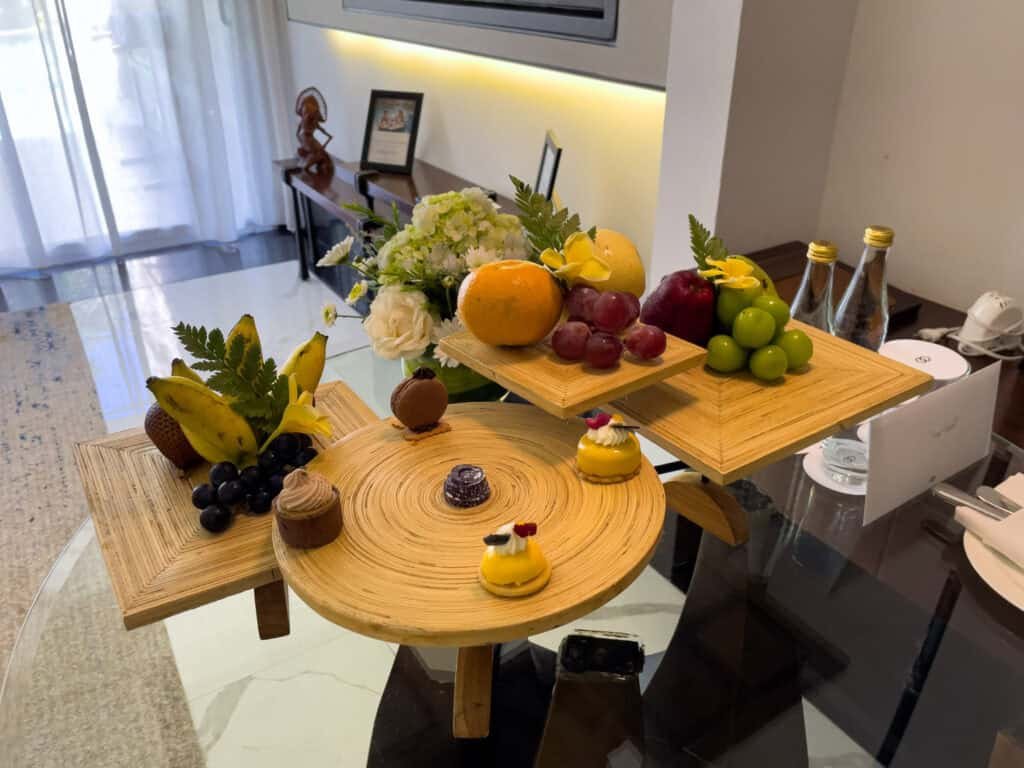
Every perk that is not written into your booking is a decision someone at the hotel makes, usually the evening before you arrive or at the moment you do. Four things shape it.
- How full the hotel is. An upgrade or a late checkout costs a hotel nothing when the room would otherwise sit empty, and a great deal when it is sold. A quiet Tuesday in low season and a Saturday during a festival are different hotels.
- When you arrive and how long you stay. A guest arriving at 9am for one night is harder to accommodate than one arriving mid-afternoon for four.
- The rate you booked. Deeply discounted, non-refundable rates sit at the back of the queue. Flexible rates, packages and anything booked through a recognised partner sit nearer the front.
- Who booked it. Hotels can see whether a reservation came from their own website, from an online travel agency or from a travel adviser in one of their preferred programmes. Those last bookings arrive flagged, with the benefits attached, so the team prepares for them before you land.
That flag is the most useful idea in this guide. A perk you ask for at check-in depends on who is on duty and how the day is going. A perk attached to the reservation has already been agreed.
Late checkout
Standard checkout at most luxury hotels is noon, and asking for an hour or two more is ordinary. Ask before you arrive or on your first evening rather than on the morning you leave, give a time rather than “as late as possible”, and mention the reason if there is one: an evening flight, a late meeting, a long drive. A 1pm checkout is rarely refused. A 4pm checkout is a real favour on a busy day, because it can stop the hotel from selling that room again until the evening.
Elite status turns the favour into a rule at some brands. The headline terms, from each programme’s own pages:
| Programme and tier | Late checkout | The fine print |
|---|---|---|
| Marriott Bonvoy Platinum and above | 4pm, guaranteed | Subject to availability at resort and convention hotels and Design Hotels; Ritz-Carlton Reserve and the vacation clubs are excluded |
| World of Hyatt Globalist | 4pm, on request | Subject to availability at resorts and casino hotels |
| Hilton Honors Diamond Reserve | 4pm, guaranteed | Gold and Diamond request it, subject to availability |
| InterContinental Ambassador | 4pm, guaranteed | At InterContinental hotels; IHG One Rewards tiers get up to 2pm, subject to availability |
| ALL Accor Platinum and Diamond | On request | Subject to availability; no fixed time |
Two booking programmes go further than most. Peninsula Time lets guests arrive from 6am and leave as late as 10pm, subject to availability, when the hotel has your times 24 hours ahead. Jumeirah lists late checkout until 4pm. Most other preferred-partner programmes include late checkout “if available”, which in practice means the hotel already knows you would like it.
Our full guide to late checkout has every brand’s rules and how to ask. If the answer is no, ask about a paid late checkout or a day-use rate. For a family with an evening flight, half a day’s rate for a room and a shower is often the best money spent on the trip.
Early check-in
Early check-in is the hardest perk to promise, because it depends on last night’s guest leaving on time and housekeeping reaching your room first. Tell the hotel your arrival time when you book and again a day or two before, so that a room can be held back and cleaned first. If you land at dawn after an overnight flight, the only certain answer is to book the night before as well. It costs a night, but you walk straight into a made bed.
When a room is not ready, a good hotel still looks after you: luggage stored, breakfast or the club lounge offered, a spa changing room for a shower. The Peninsula offers a hospitality room for exactly this. Booking programmes do not create a free room, but they do flag your arrival time so that yours is among the first prepared.
Room upgrades
An upgrade is the perk everyone hopes for and the one hotels manage most carefully. Every hotel has more of its entry rooms than its suites, and upgrades usually move guests up one step so that a cheaper room is freed for a late booking. A guest booked into the second category is often moved to the third; very few are moved straight to a suite.
When the upgrade is decided matters as much as whether it happens:
| When the upgrade is confirmed | Programmes |
|---|---|
| When you book | The Peninsula PenClub, Shangri-La Luxury Circle |
| Within 24 hours of arrival | Hyatt Privé |
| At booking or at check-in | Accor Preferred |
| On arrival, when the hotel has space | Four Seasons, Aman, IHG Destined, Kempinski, Leading Hotels of the World and most others |
What genuinely helps beyond the booking: arriving later in the day, when the hotel knows who is checking out; staying three nights or more; booking the category below the one you would love, rather than the cheapest room in the house; and being pleasant. A birthday or an anniversary noted on the reservation is often marked with a cake or a card; it is rarely the reason for an upgrade on a full night, and hotels see a great many anniversaries.
Status works too. Top-tier members at Marriott, Hyatt and Hilton are upgraded first when space exists, and some tiers earn suite upgrades that can be confirmed in advance. If most of your nights are with one brand, status is worth having; if you move between Aman, Four Seasons, Rosewood and The Peninsula, none of which runs a points programme, a booking programme does the same job across all of them.
Free breakfast
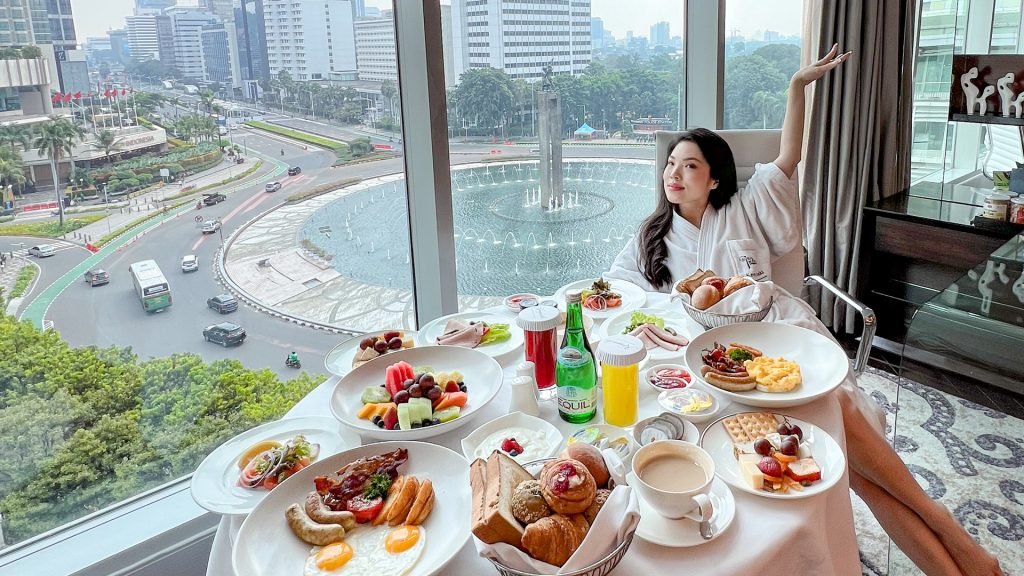
Breakfast is where the money quietly goes. At a five-star hotel, two people eating from the buffet each morning can add a few hundred dollars to a long weekend. There are three ways to have it included: book a rate that includes it, hold a status that grants it, such as World of Hyatt Globalist, or book through a preferred-partner programme. Every one of the 23 programmes in The Luxe Destination Privileges includes daily breakfast for two, and Shangri-La serves it in your room if you prefer.
Before you book a breakfast-inclusive rate, compare it with the room-only rate. Sometimes the difference is less than the menu price; sometimes it is more. Our reviews show what each breakfast is actually like, from Hotel Indonesia Kempinski Jakarta to Sofitel Bali Nusa Dua.
Hotel credits
A hotel credit is money to spend in the hotel, usually once per stay and usually on dining, drinks or the spa rather than the room rate. It does not carry over to your next stay, and any part you do not use is lost, so plan it: a dinner on the first night, a massage on the last. The credits in our programmes:
| Credit per stay | Programmes |
|---|---|
| Up to US$200 | Belmond Bellini Club |
| US$100 | IHG Destined, Hilton for Luxury, Kempinski Club 1897, Jumeirah, Rocco Forte Knights, Preferred Hotels & Resorts Platinum |
| US$50–100 | Accor Preferred |
| US$50 | SLH withIN |
| Varies by hotel | Four Seasons, Aman, Rosewood, Mandarin Oriental, Shangri-La, Leading Hotels of the World, Relais & Châteaux, Virtuoso and others |
Status, card, direct or adviser: how they compare
There is no single best route. Each suits a different kind of traveller, and many people use two.
| Route | Cost to you | What you typically get | When it is confirmed | Points and elite nights | The catch |
|---|---|---|---|---|---|
| Elite status | Many nights a year with one brand | Upgrades, late checkout, breakfast or lounge at higher tiers | Varies by tier and brand | Yes | Only at that brand’s hotels; Aman, Four Seasons, The Peninsula and Rosewood have no points programme |
| Card hotel programmes such as Amex Fine Hotels + Resorts | The card’s annual fee | Breakfast for two, a US$100 credit, a guaranteed 4pm checkout, an upgrade when available | Checkout guaranteed; upgrade on arrival | Varies by brand; check before you book | Card members only; book and pay through the card’s travel service |
| Booking direct | The hotel’s rate | Member rates and sometimes a small perk | At check-in | Yes | Perks depend on the day |
| Online travel agencies | Often the lowest headline price | Rarely anything | — | No at Hilton and Hyatt, which treat these as ineligible bookings | Last in line for upgrades and flexibility |
| Preferred-partner programmes, such as Privileges | The same rate as booking direct; a free account | Breakfast for two, a credit, upgrade priority, early and late times when available | At booking for some programmes, otherwise flagged ahead | Yes at Marriott, Hyatt, Hilton, IHG, Accor and Shangri-La | Benefits vary by programme; some hotels ask for two nights |
If you hold an Amex Platinum card and stay mostly at hotels in its programme, the guaranteed 4pm checkout is a genuine advantage. If you travel across the independent and non-points brands, or want the upgrade confirmed before you arrive, a preferred-partner programme covers more ground.
How we book
For most luxury stays we book through The Luxe Destination Privileges, our partnership with our booking partner, Classic Travel. It is the shortcut past the status ladder: the kind of welcome a top-tier member spends 50 or 60 nights a year earning, from the first booking. The rate is the same as booking with the hotel, and breakfast, the credit and the upgrade request arrive with the reservation. For The Peninsula and Shangri-La the upgrade is confirmed when we book, which changes how a trip feels from the start.
We book direct when a hotel runs an offer that beats every partner rate, when we are chasing a particular status and need the nights to count with that brand’s own website, or when a small hotel is not part of any programme. And if you already hold top-tier status at the brand you are booking, compare both: often the programme adds the credit and breakfast on top of what your status already gives you.
Frequently asked questions
Is it possible to get a late checkout at a hotel?
Almost always for an hour or two, if you ask the day before. Later than that depends on how full the hotel is, unless your status or booking programme includes it: Marriott Platinum and above, Hilton Diamond Reserve and InterContinental Ambassador guarantee 4pm at most of their hotels.
How do I ask for a late checkout without paying?
Ask early, ask for a specific time and give a reason. “Could we keep the room until 2pm? Our flight is at 7” is easy to say yes to. If the hotel is full that day, ask whether they can store your bags and offer the spa or lounge instead.
Can I book a hotel and check in early?
You can ask, and a hotel that knows your arrival time will try. The only guaranteed early check-in is booking the night before. Peninsula Time offers arrival from 6am, subject to availability.
Why do hotels give free upgrades?
To free cheaper rooms for later bookings, to thank loyal guests and partners, and because a guest who has a lovely stay comes back. Upgrades follow occupancy, so they are most generous when the hotel is not full.
Do perks stack with hotel offers?
Often. Four Seasons, Rosewood, The Peninsula and Shangri-La allow programme benefits on many of their offers, including third- or fourth-night-free stays. Prepaid rates sometimes exclude them, so check when you book.
Do I still earn loyalty points if I book through an adviser?
Yes at Marriott, Hyatt, Hilton, IHG, Accor and Shangri-La: adviser bookings in their preferred programmes earn points and elite nights as if you had booked direct. Online travel agency bookings generally do not.
Programme terms change; the late-checkout terms above are taken from each programme’s own published terms as of October 2026. The Luxe Destination Privileges is our partnership with Classic Travel, and we may earn a commission when you book through it. It never changes what we write.