Destination Guide
Phuket
Marble temples at dawn, the karst towers of Phang Nga Bay, and the Andaman beaches worth the early start — a slow, honest guide to Thailand's biggest island.
At six in the morning the steps below the Big Buddha are still cool underfoot, the marble pale and empty, and the whole of the south coast lies under a soft grey haze the sun has not yet burned off. The best of Phuket rewards this kind of early hour — and the island is busier than ever to greet you, with close to six million international arrivals in the first two months of 2026 alone. The secret is long out.
This is not a checklist to be sprinted through. Phuket repays slowness, and what follows is an opinionated guide to where that slowness is best spent.
-
Relax on the west-coast beaches
White sand and clear water at Surin, Kamala and Kata.
-
Climb to the Big Buddha
Island-wide views from the 45-metre marble landmark above Chalong.
-
Wander Old Phuket Town
Sino-Portuguese shophouses, coffee roasters and lantern-lit streets.
-
Take a boat into Phang Nga Bay
Limestone towers, sea caves and hidden lagoons by canoe.
-
Eat through the night markets
Hokkien-Thai cooking, from moo hong to oyster omelettes.
The west-coast beaches
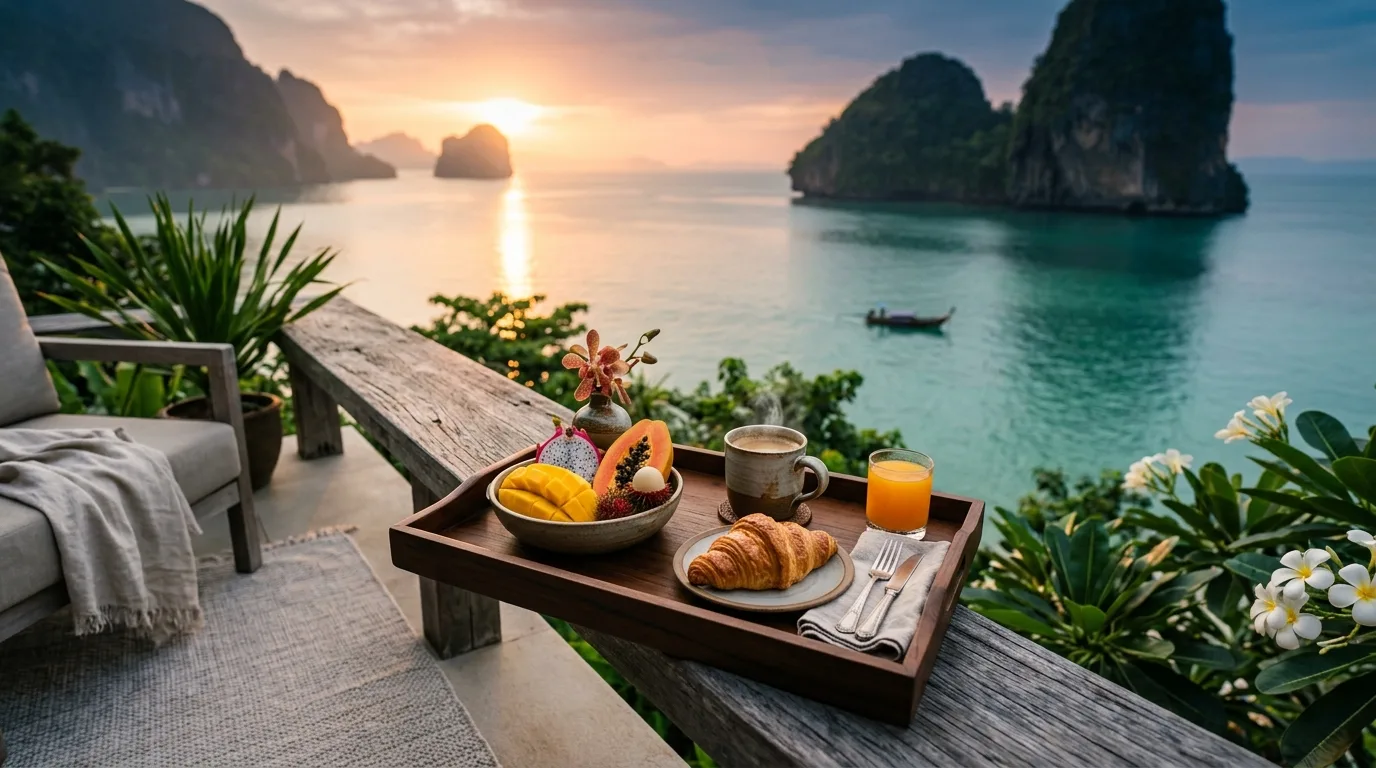
Phuket faces the Andaman Sea on its western flank, and this is where the good sand is. Each beach has a temperament, and choosing well is the difference between a serene morning and an afternoon spent dodging jet-skis.
Surin and Kamala
Surin is the one I return to: a small bay, water clear in the dry season, and casuarina trees that throw genuine shade by late morning. Kamala, just south, is longer and quieter at its northern end — walk away from the road for the better stretch.
Kata
Kata is the most balanced of the swimming beaches, sheltered enough for families in the morning and lively with small surf when the monsoon swell arrives. The headland between Kata and Kata Noi gives one of the easiest sunset spots on the island.
Mai Khao
Mai Khao runs for miles along the north-west, protected within a national park and backed by very little. The water is not always swimmable and the undertow can be strong, but for a long, secluded walk at golden hour it has no rival here.
The west-coast surf turns dangerous from roughly May to October. Red flags mean exactly what they say, and drownings happen here every year — respect them.
The Big Buddha and the temples
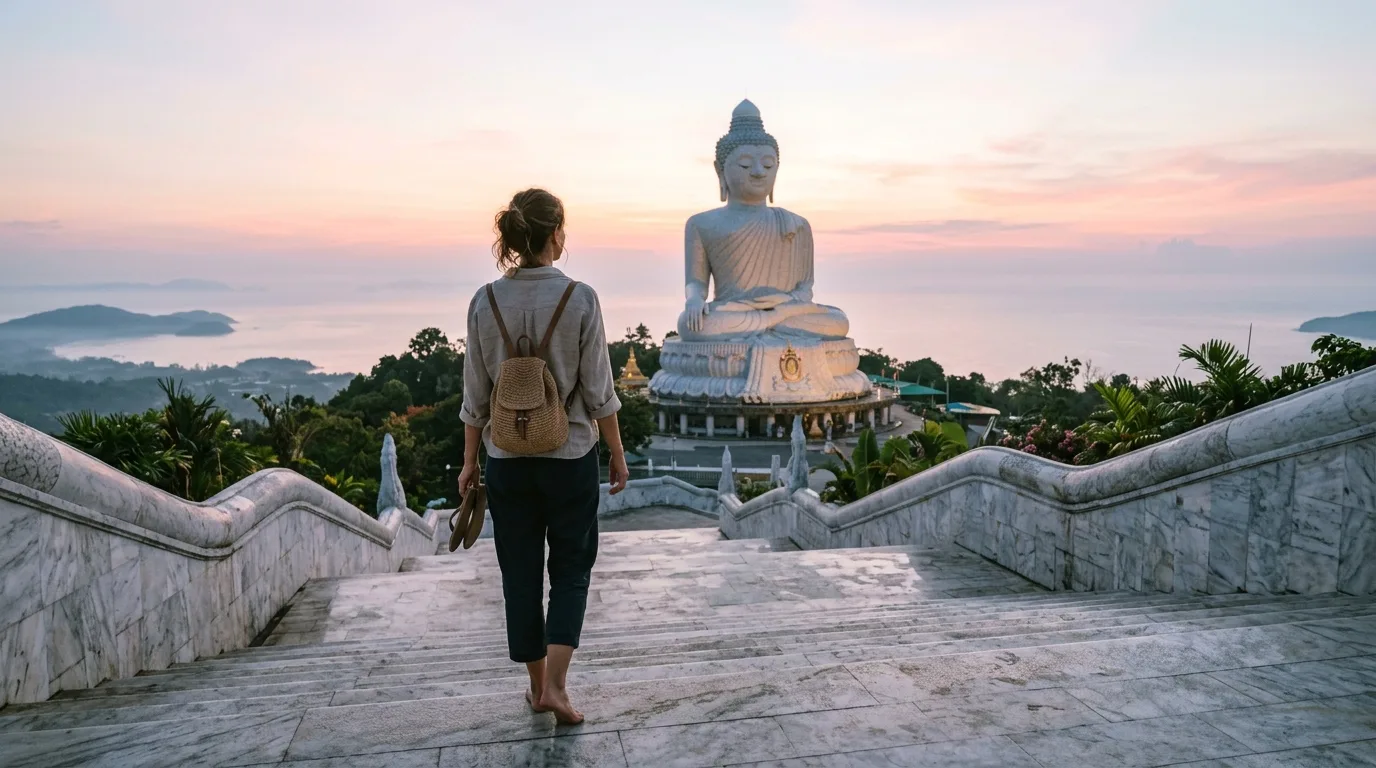
The 45-metre Big Buddha sits on the Nakkerd Hills above Chalong, clad in white Burmese marble that catches the light differently through the day. Go early, dress modestly with shoulders and knees covered, and the visit costs nothing beyond a donation. Below it, Wat Chalong is the island’s most revered working temple — gilded and busy with locals making merit rather than posing for photographs. The contrast is the point: one a viewpoint, the other a place of devotion. For temple etiquette and the calendar of festivals, the Tourism Authority of Thailand is the sober source worth consulting before you go.
A 300-baht tourist tax, introduced in April 2025, is earmarked specifically for environmental conservation across the island.
Old Phuket Town
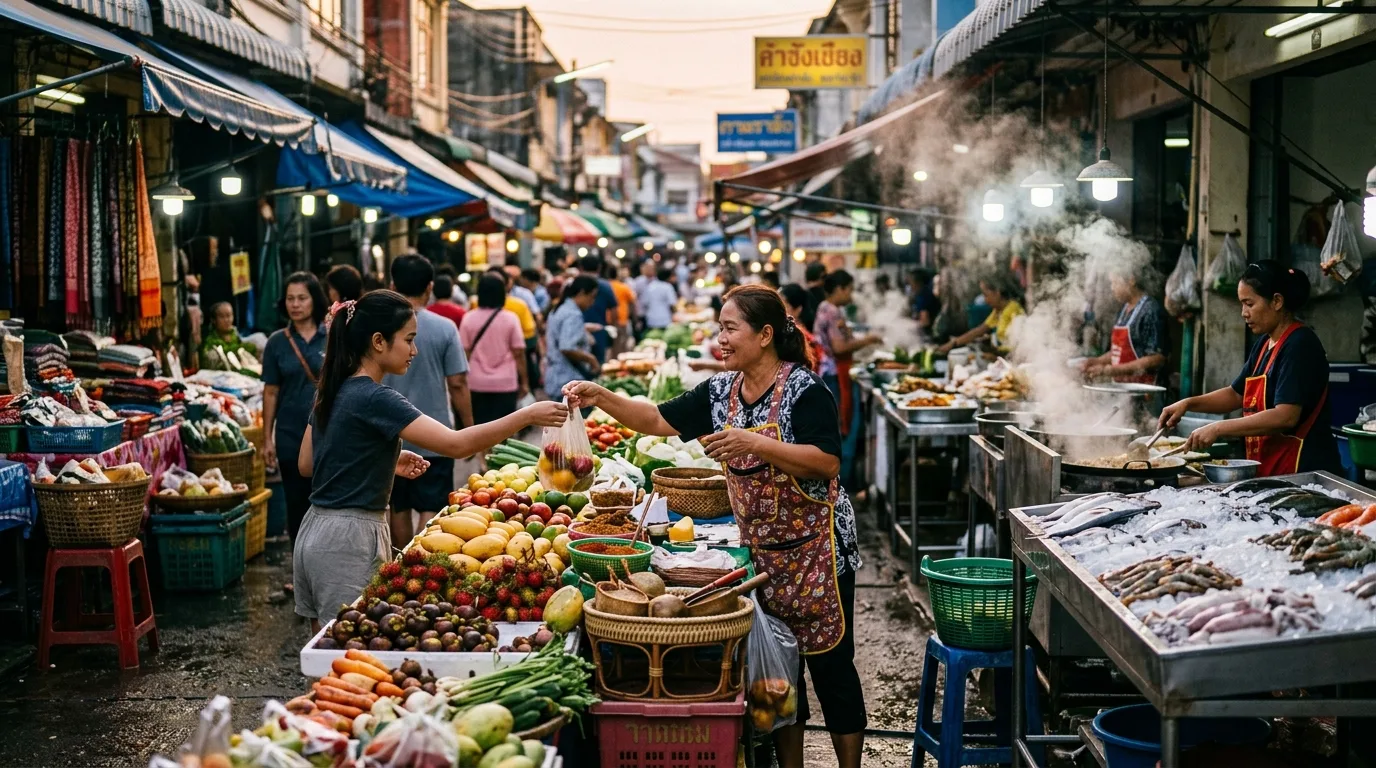
If the beaches are the morning, Old Phuket Town is the late afternoon. The Sino-Portuguese shophouses along Thalang, Dibuk and Soi Romanee wear faded ochre, mint and rose — the legacy of the tin-mining merchants who built them. It is the most photogenic and least manufactured corner of the island, its ground floors now coffee roasters, small galleries and old Hokkien kitchens, the upper storeys still in their original shutters.
On Sunday evenings Thalang Road closes for the Lard Yai walking market. It is touristy now, but the street food is honest — moo ping skewers, apom pancakes, oyster omelettes cooked to order. Come for the food and the architecture under lantern light rather than the souvenir stalls, and the evening holds up.
| Question | Short answer |
|---|---|
| The defining things to do? | The west-coast beaches, the Big Buddha and Wat Chalong, Old Phuket Town, a Phang Nga Bay boat day, and the night markets. |
| When to visit? | November to April for dry skies and calm seas; May to October is greener, quieter and wetter. |
| The most refined beaches? | Surin and Kata for swimming, Kamala for a calmer pace, Mai Khao for long, near-empty sand. |
| Where to base yourself? | The quieter west-coast districts suit slow travel — see our Phuket hotel reviews for sea-view villas. |
Phang Nga Bay and the island day trips
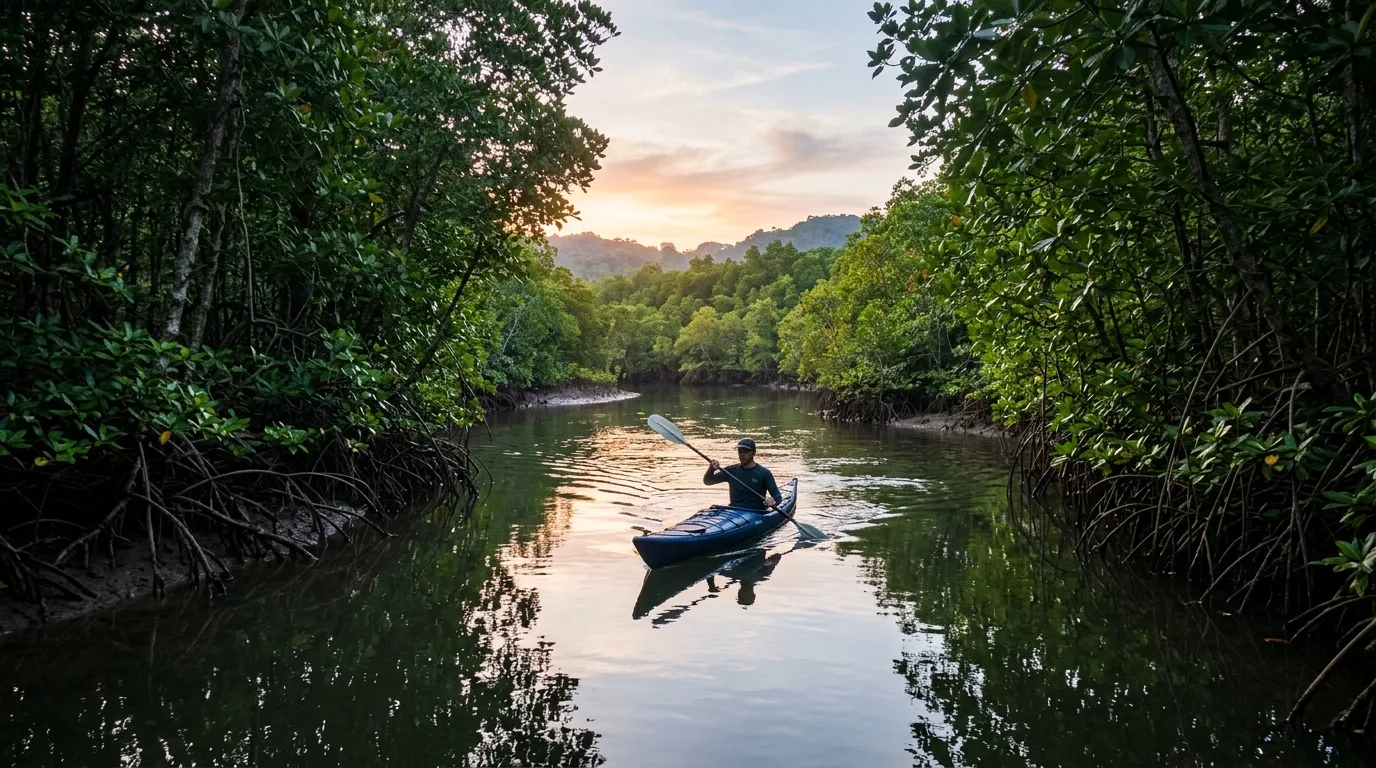
The single most memorable thing to do in Phuket happens off the island entirely. Phang Nga Bay, an hour north-east, is a drowned karst landscape of limestone towers rising sheer from jade water, and it is worth the early start.
By sea canoe
The bay is best seen low and slow, paddled into the sea caves and hidden lagoons the larger boats cannot reach. James Bond Island earns its nickname and its crowds; the quieter hongs around Koh Hong are the reward for going with a smaller operator.
Phi Phi: beautiful, and busy
Phi Phi is undeniably striking, with Maya Bay reopened under managed visitor caps after years of damage. I will be honest: as a day trip it can feel like a conveyor belt. Take the first boat out, or better, stay a night so you see the cliffs without two thousand other people.
The Similan Islands
For divers and snorkellers the Similans are the prize, with visibility and reef life well beyond anything close to shore. They sit within a national park that closes through the monsoon, roughly mid-May to mid-October, so this is a dry-season trip only — and one worth building a whole day around.
Viewpoints worth the climb
- Karon Viewpoint — the classic three-beach panorama over Kata Noi, Kata and Karon. Busy at sunset, for good reason.
- Promthep Cape — the southern tip, where the crowds gather for the day’s final light. Arrive 40 minutes early for a parapet spot.
- Windmill Viewpoint — just along from Promthep and far calmer, with the better outlook over Nai Harn.
- Black Rock, Cape Panwa — a quieter, less-trodden lookout on the eastern side, away from the sunset scrum.
Food and the night markets
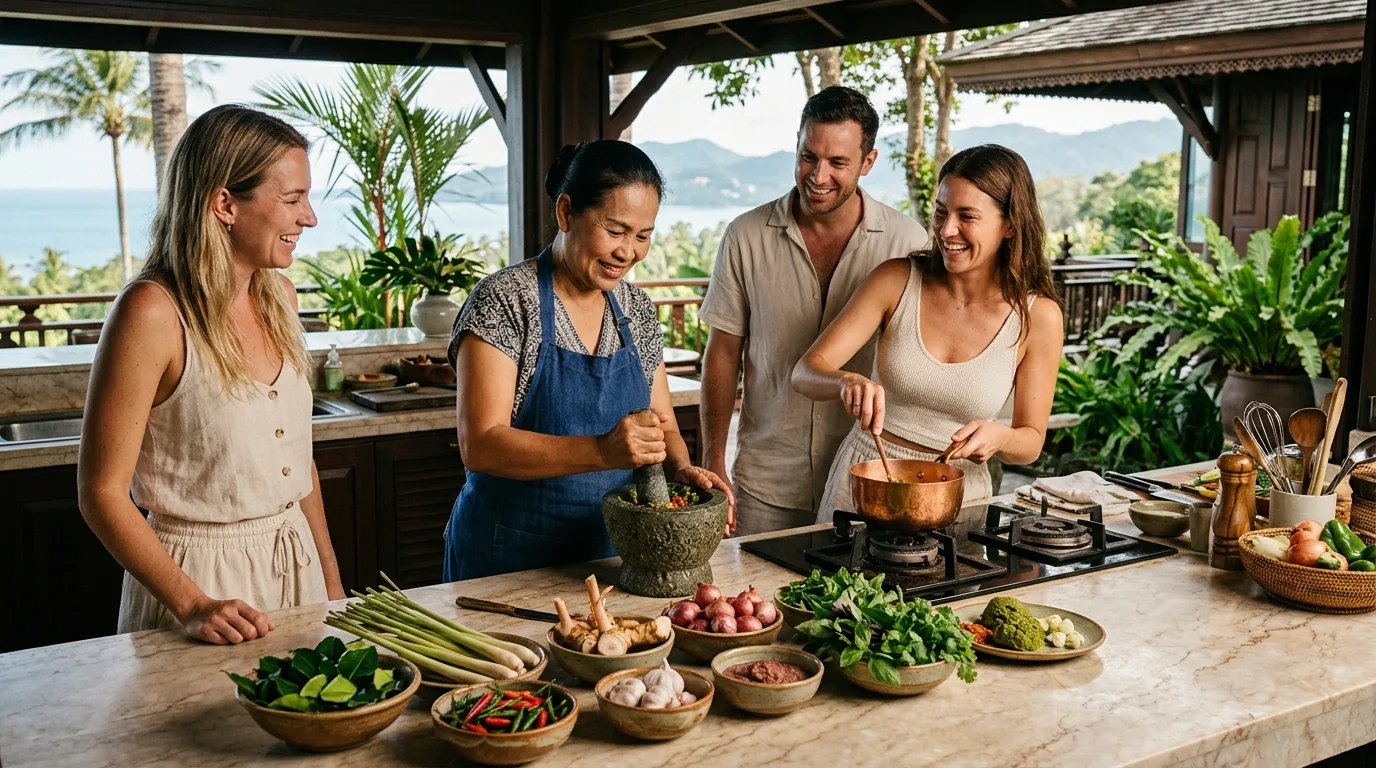
Phuket was named a UNESCO Creative City of Gastronomy, and the recognition is deserved. The island’s Hokkien-Thai cooking is distinct from the mainland, built on dishes such as moo hong braised pork belly, Hokkien noodles, and the unapologetically pungent crab in yellow curry. Beyond the Sunday walking street, the Chillva and Naka weekend markets in Phuket Town are where younger locals eat — scruffier, more authentic, and better for it. For a seated meal, the old town’s shophouse kitchens serve the heritage recipes at lunch, when they are freshest.
When to go
The island has two clear seasons, and your trip hinges almost entirely on which you choose. The shoulder weeks of November and April are my preference: the sea has settled, the worst of the crowds have thinned, and the light is at its softest.
| Season | Months | What to expect |
|---|---|---|
| High / dry | November – April | Calm, clear seas, reliable sun, every island trip running. Busiest and dearest. |
| Green / monsoon | May – October | Lush landscapes, dramatic skies, lower rates, fewer crowds. Rough surf and some closed boat routes. |
In the upscale Bangtao and Cherngtalay areas the average stay reached 7.67 nights in 2024 — a clear sign that slower, more settled travel is winning in the premium districts.
Getting around
This is the island’s genuine weak point, and it pays to know it in advance. Phuket has no public transport network worth relying on, and the local tuk-tuks are expensive and inflexible by Thai standards.
- Ride-hailing — Grab and Bolt now cover most of the island and are the simplest fair option for short hops.
- Private driver — for a full day of viewpoints and temples, a car and driver is the calm, sensible choice.
- Self-drive — a car gives freedom, but Phuket’s traffic and accident rate are nothing to take lightly.
- Scooters — cheap and everywhere, and responsible for most tourist injuries here. Not unless you are already an experienced rider.
Distances look small on a map and take longer than you expect. Build slack into every plan.
Where to base yourself
Where you sleep shapes how the island feels. The quieter north-west, around Mai Khao and Bangtao, suits travellers who want sea-view villas and long, uninterrupted mornings rather than nightlife. We have spent unhurried days at the ocean-view pool villas of The Pavilions Phuket and the spa-led Renaissance Phuket on Mai Khao Beach, both of which favour seclusion over the busy strips. For something closer to Surin and Kamala, the InterContinental Phuket sits well for a quieter west-coast stay.
The short version
The best of Phuket is not a race through a list. It is a handful of well-chosen mornings: marble underfoot at the Big Buddha, jade water in Phang Nga Bay, and an old-town street smelling of charcoal and lime as the lanterns come on. Choose the dry season, base yourself somewhere quiet, accept that getting around takes patience, and let the island set the pace.
Frequently asked questions
What should first-time visitors prioritise?
The west-coast beaches at Surin and Kata, the Big Buddha and Wat Chalong, a wander through Old Phuket Town, and one boat day to Phang Nga Bay or Phi Phi. Those five cover the island’s defining experiences without overloading a short trip.
Is Phuket worth visiting in 2026?
Yes, though it is busier than ever, with arrivals near pre-pandemic highs. The reward for going now is a much-improved range of refined places to stay; the trade-off is choosing your timing and beaches carefully to avoid the crowds.
What are the best free things to do?
Many of the finest cost nothing: the Big Buddha, the Karon and Promthep viewpoints, walking Mai Khao beach, and exploring the old town are all free beyond a small donation or parking fee.
How many days do you need?
Five to seven nights is the comfortable range — two or three relaxed beach days, a temple and old-town day, and a full day for an island trip, with margin for the slow pace the island deserves.
Are the island day trips too crowded?
Phi Phi and the famous spots can feel overrun on a standard day trip. The earliest departure, a smaller operator, or a night on the islands makes a substantial difference.
Is it easy to get around without a car?
Workable but not effortless. Grab and Bolt cover most areas for short trips, and a private driver is the calmest option for a full day, since public transport is limited and tuk-tuks are costly.
Luxe & Found
More from Phuket, in your inbox.
New openings, fresh reviews and where we’d go next. One email a week.