Optics
Cameras for the Considered Eye
Five for the considered eye — Leica, Fujifilm and Hasselblad bodies, judged on how they actually travel.
Some links on this page are affiliate links. If you buy through them we may earn a commission, at no extra cost to you — it never affects our verdicts or the order of this list.
The finest premium travel cameras earn their keep quietly: compact enough to carry from breakfast to last light, discreet enough to disappear at dinner, and ready for the one frame worth keeping. We travelled with five — from Leica, Fujifilm and Hasselblad — and judged each on how it sits in the hand, how it reads on the street, and the character it lends the light.
Leica Q3Full-frame rendering and crop reach in one jewel-like body.
Fujifilm X-T540MP and weather-sealing in a 557g system you can grow.
Fujifilm X100VI521g, leaf-shutter quiet, always in a pocket and ready.
Editor’s Choice Our top pick
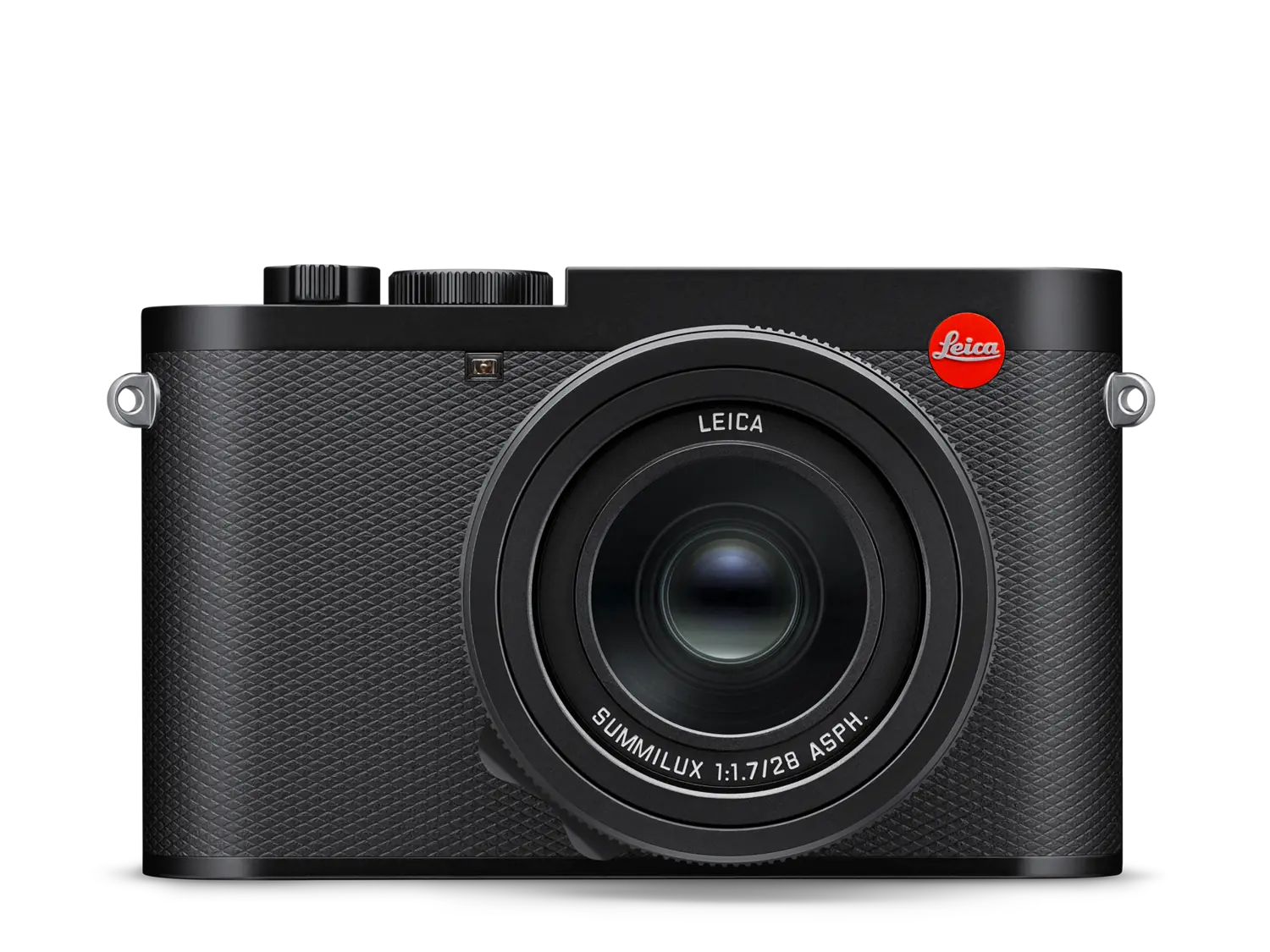
Leica Q3
$5,99560MP full-frame BSI CMOS (60/36/18) · fixed 28mm f/1.7 Summilux ASPH (stabilised) · tilting screen · 8K video
The Q3 is the rare camera that feels as considered as the photographs it makes. In black, it sits quietly at any hotel desk — an object of restraint rather than display — yet the 28mm Summilux gathers light beautifully and renders the wide, generous frame that suits a city or a landscape opening up in front of you. The fixed focal length sounds limiting until you use the triple-resolution sensor and its crop modes, which hand you 35, 50, 75 and 90mm reach without ever changing a lens.
That single-body simplicity is its great virtue as a travelling camera: one lens, one body, and the freedom to simply look. The files have full-frame depth and latitude, and the rendering is unmistakably Leica — present, three-dimensional, never clinical.
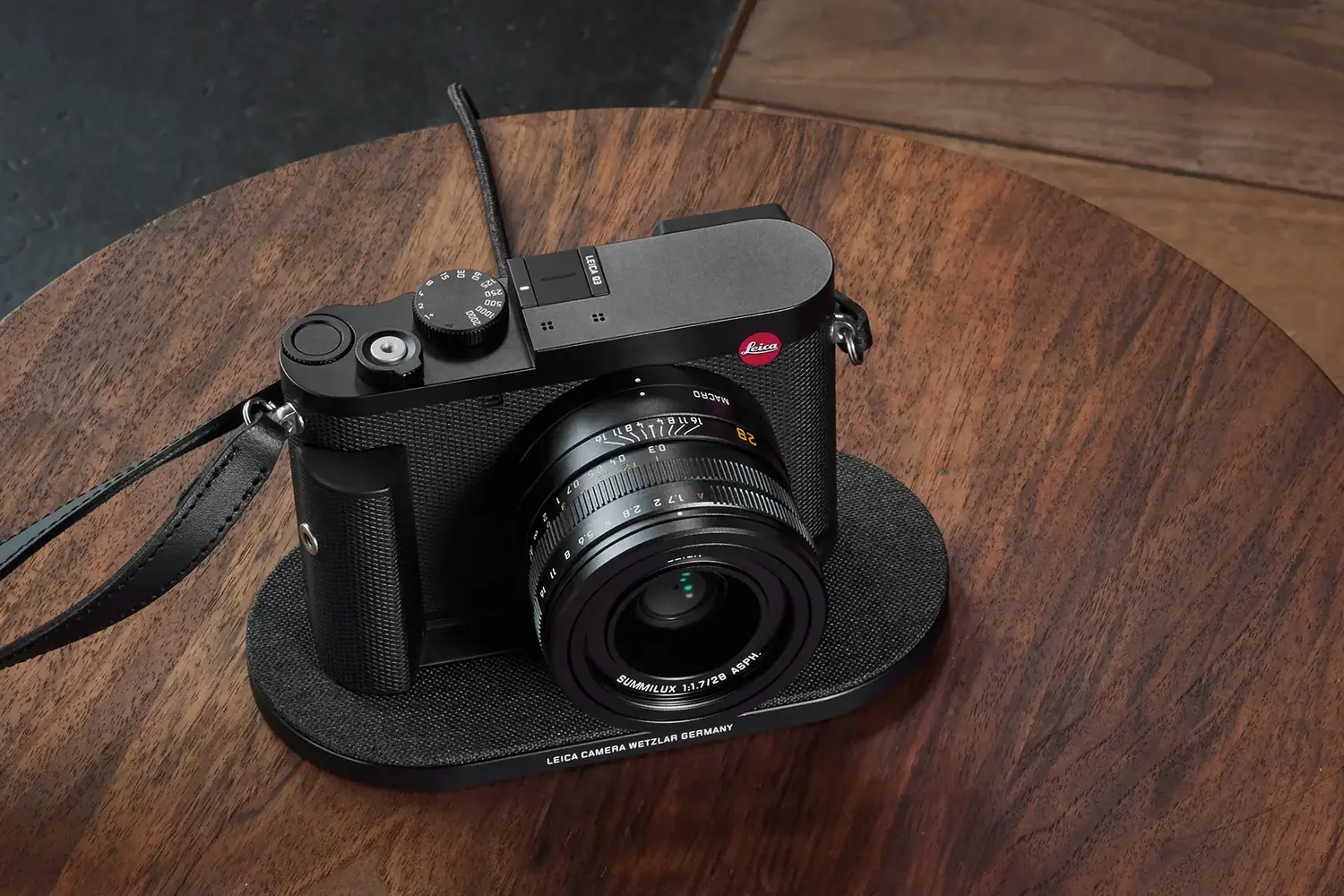
In the hand it is denser than it looks: a magnesium body, cool to the touch and tightly assembled, with a knurled aperture ring and dials that move with the damped precision that is the brand’s quiet signature. The tilting screen, new to the Q line, earns its place on the road, letting you shoot from the hip in a market or low over a railing without folding yourself in half. Battery life is generous enough for a full day’s walking, and USB-C charging means it tops up from the same brick as your phone.
The 28mm Summilux is the whole argument. Wide open at f/1.7 it lifts a subject out of soft, unhurried background; stopped down it holds a skyline corner to corner. Colours run cool and true rather than overtly processed, closer to what the eye saw, which suits the restrained palette of a good travel edit; a macro mode lets you fill the frame with a detail without a second lens. It is an expensive object and an unapologetic one, but for the traveller who wants a single faultless camera and the Leica way of seeing, nothing else is quite it.
What we loved
- One body, effectively four focal lengths via crop
- Fast stabilised 28mm Summilux for low light
- Discreet, beautifully made, quietly luxurious
Worth noting
- A serious investment
- Fixed 28mm focal length at native resolution
Most discreet Runner-up
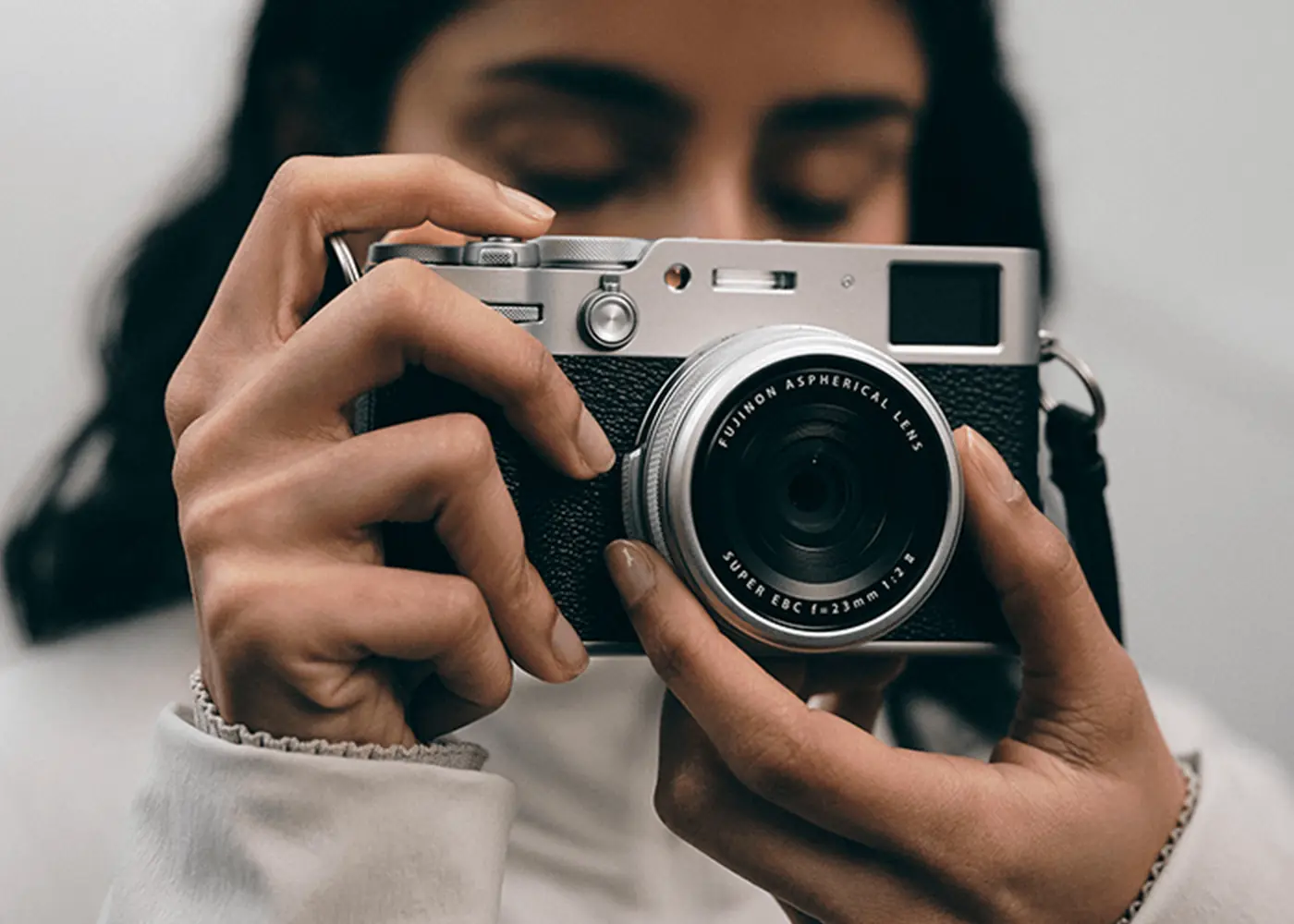
Fujifilm X100VI
$1,59940.2MP APS-C X-Trans 5 HR · fixed 23mm f/2 (35mm-equiv) · 5-axis IBIS (6 stops) · 521g · 20 Film Simulations
At 521g with a fixed 35mm-equivalent lens, the X100VI is the camera you actually carry — pocketable, unassuming, and always ready. Its leaf shutter is near-silent, so it disappears at a quiet dinner or on an early street, and in either silver or black it reads as a handsome compact rather than a piece of equipment. The 35mm-equivalent view is the classic reportage frame: close enough to feel present, wide enough to hold the scene.
What sets it apart for travel is the colour. Twenty Film Simulations give you finished images straight out of camera, which means little or no editing in the evening — you spend the trip looking, not at a laptop. The 40.2MP sensor leaves plenty of room to crop.
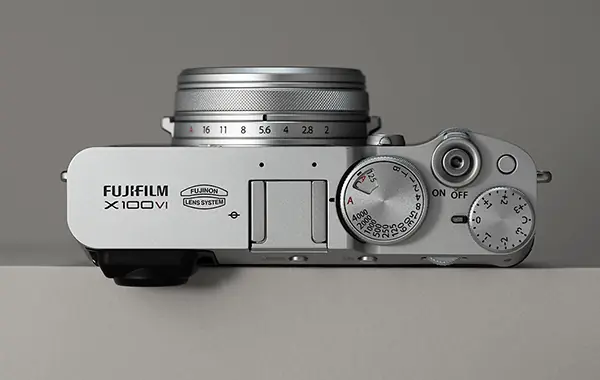
Five-axis stabilisation, worth up to six stops, is the quiet upgrade that makes it a true travelling camera: handheld frames in a dim restaurant or a candlelit room come back sharp where older X100s would blur. The hybrid viewfinder is a small daily joy, flipping between a bright optical window and a clear electronic one with a flick of a lever, so you can shoot a sunny street the analogue way and check a tricky exposure the digital way. In silver especially it reads as an object rather than equipment, the kind that draws a compliment rather than a customs query.
The 23mm f/2 lens, a 35mm-equivalent, is the reportage classic for good reason: present without intruding, generous without distortion. Fujifilm’s colour is the real luxury here, with Classic Chrome for muted filmic streets, Reala Ace for faithful skin and food, and Acros for black-and-white with genuine bite, and because the files come out finished your evenings go to dinner rather than a laptop. The only real catch is supply: the X100VI stays in genuine demand, so it is worth ordering well before a trip rather than hoping to find one.
What we loved
- Genuinely pocketable at 521g
- Leaf-shutter quiet and discreet
- Finished colour straight from the camera
Worth noting
- One fixed focal length — no zoom
- In huge demand and often backordered
The Image-Quality Pick Also tested
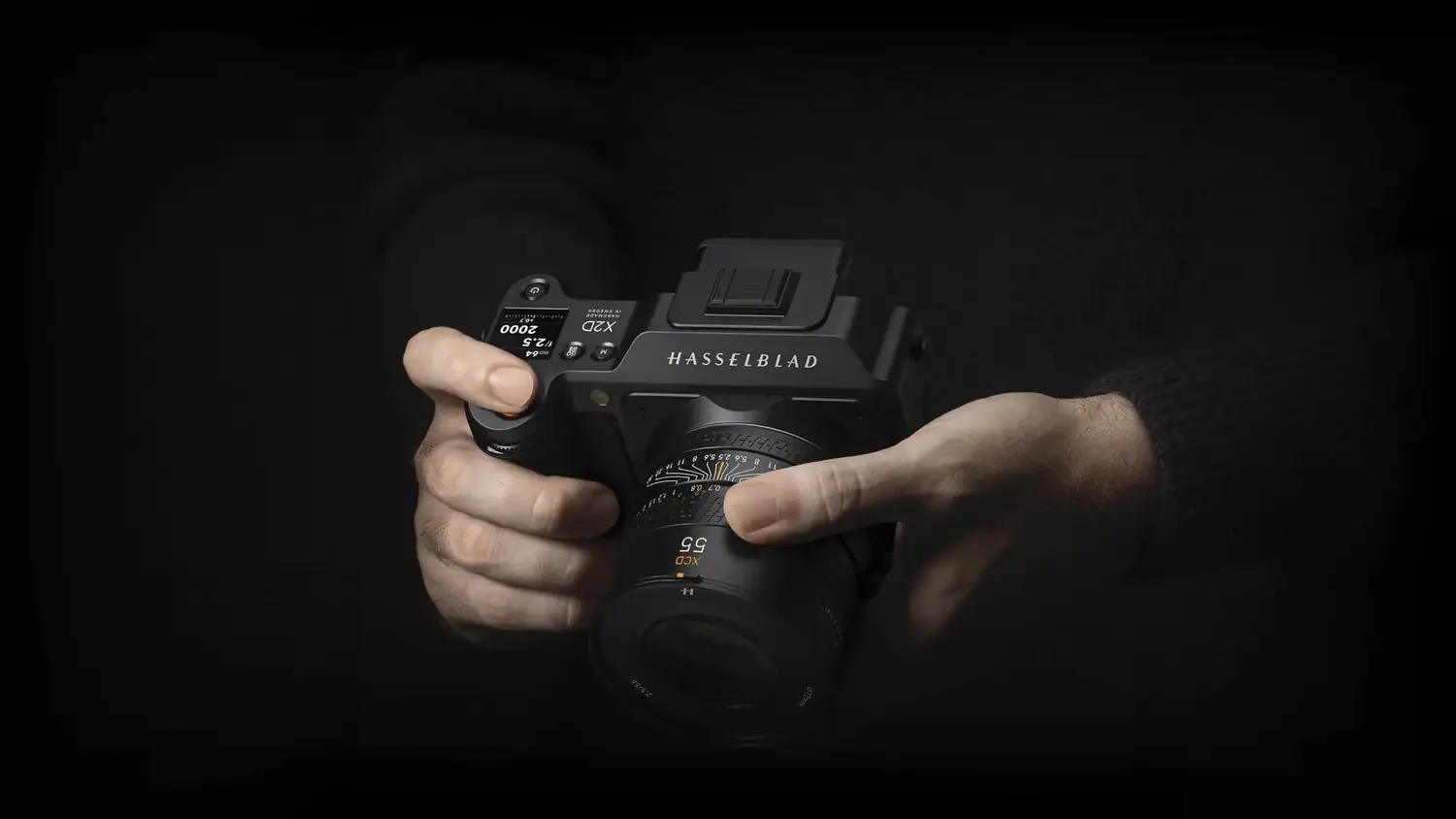
Hasselblad X2D 100C
$8,199100MP medium-format BSI CMOS · 5-axis 7-stop IBIS · built-in 1TB SSD · 294-zone PDAF · 5.76M-dot OLED EVF
For landscapes and architecture, nothing here touches the X2D’s tonal depth. The 100MP medium-format files have a smoothness and dimensionality that reward a slower, more deliberate way of travelling — the kind of trip planned around light rather than against the clock. In graphite, it is beautifully machined, weighty in the considered sense, an instrument you set up with intent.
The built-in 1TB SSD is a quiet practicality for the road: fewer cards to carry, fewer to lose. It rewards a deliberate, considered way of shooting. Carry it where the view is the point, and it gives back more than any other camera here.
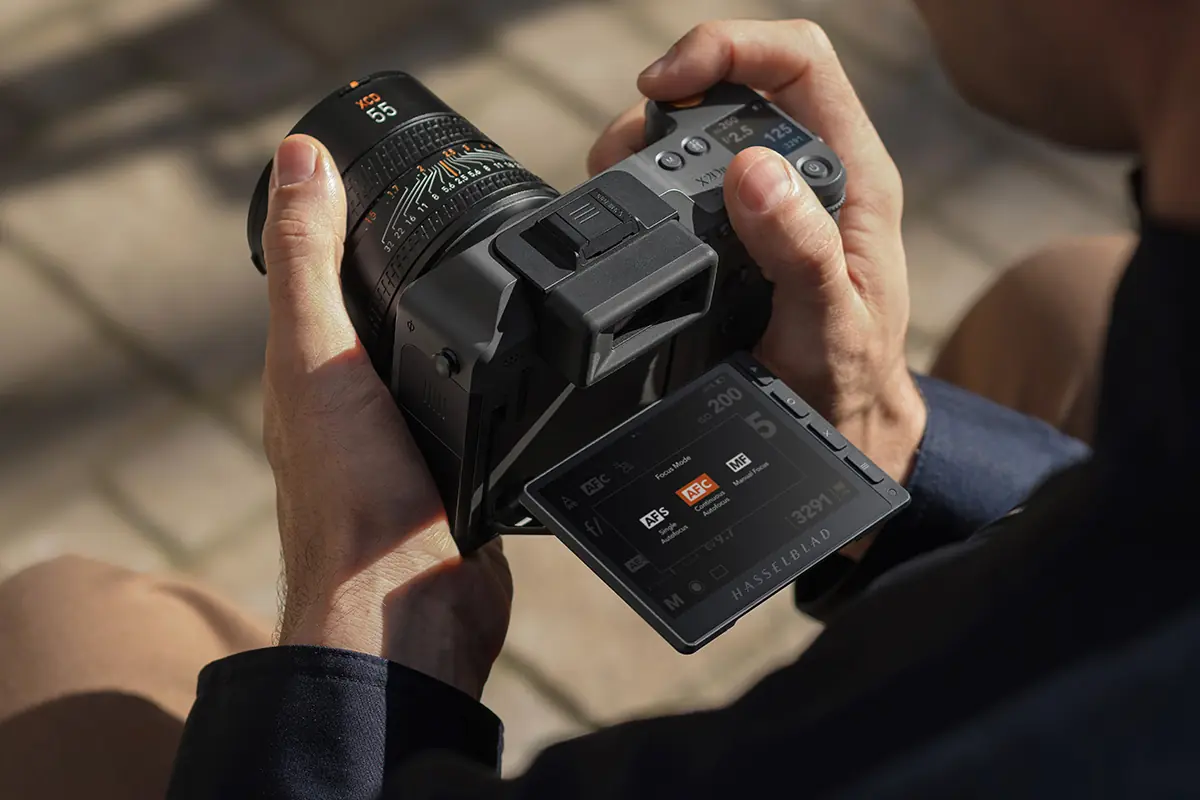
By the standards of medium format it is remarkably portable, closer to a large mirrorless body than the briefcase systems of old, yet it still asks to be carried with intent. The 5.76-million-dot finder and the tilting rear screen are a pleasure to compose on, and seven stops of stabilisation make handheld medium-format frames genuinely possible, something that would have sounded absurd a few years ago. The build is in a class of its own: machined aluminium, an orange-on-graphite restraint, controls that move like a fine instrument.
What you are really buying is the file. Sixteen-bit colour and the tonal roll-off of the 100MP sensor give skies, stone and skin a smoothness no smaller format here can match, the kind of image that holds up printed large on a wall. Lenses are bought separately and they are not small purchases, so think of the X2D as a system for a particular kind of trip, the one planned around a landscape, a building or a light you have travelled specifically to catch. For everything else it is too much camera; for that, it is sublime.
What we loved
- Extraordinary 100MP tonal depth
- 1TB onboard SSD — fewer cards to manage
- Superbly built; rewards a patient pace
Worth noting
- Large files and a deliberate pace — not for grab shots
- Lenses sold separately; a considered investment
The connoisseur’s choice Also tested
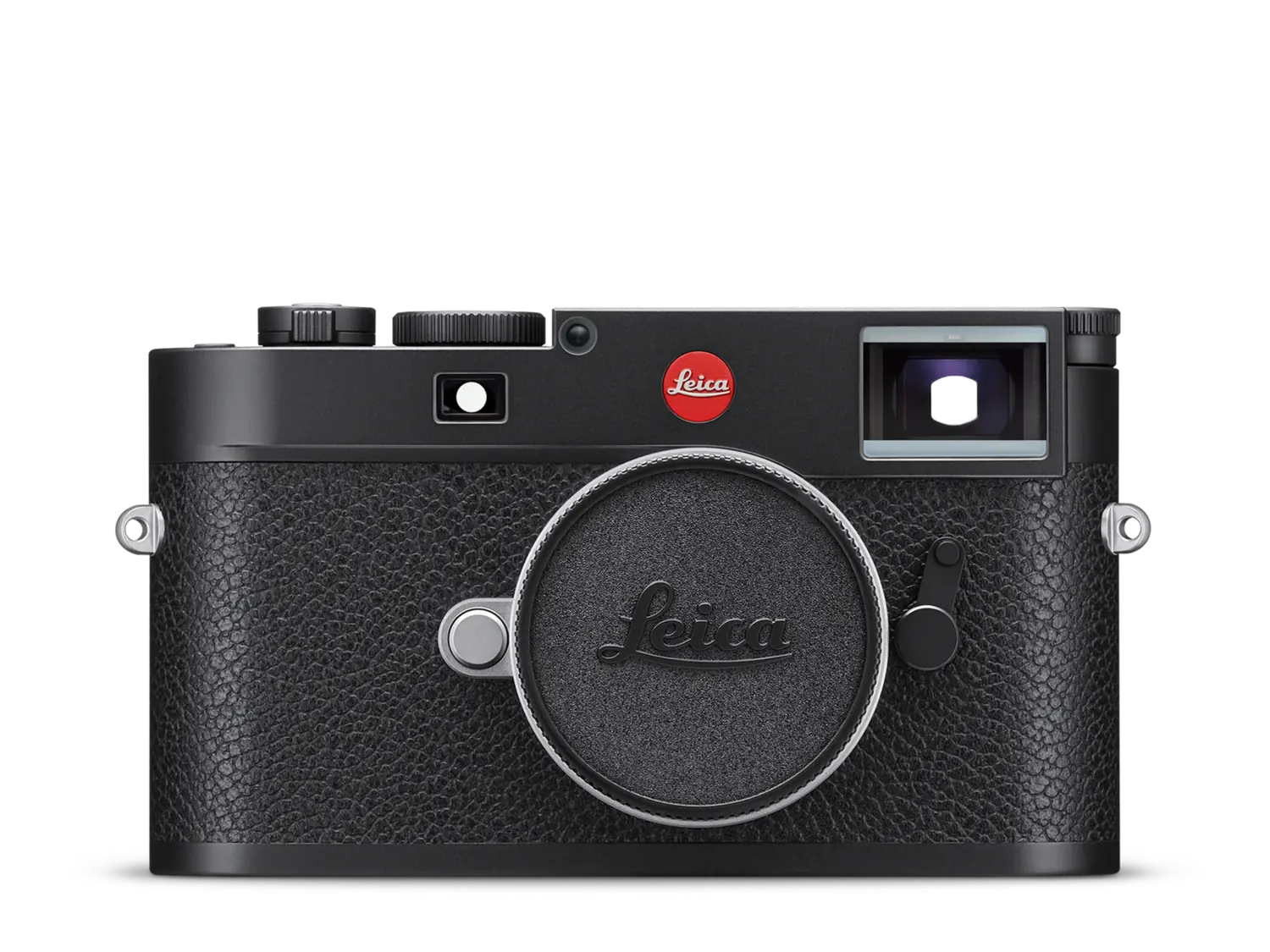
Leica M11
$8,99560.3MP full-frame BSI CMOS (60/36/18) · manual-focus rangefinder · ISO 64–50,000 · USB-C charging
The M11 asks something of you, and gives back accordingly. The rangefinder discipline slows the whole act of photographing — you frame, you focus by hand, you choose your moment — and travellers who take to it find they shoot more deliberately and, often, better. It is compact, near-silent and genuinely discreet, with the storied M-lenses to match. The black aluminium body runs roughly 100g lighter than the brass-topped silver, a real difference over a long day on foot.
None of this is for everyone. There is no autofocus, lenses are bought separately, and the rangefinder is a learned way of working. But as an object and a discipline, it is without equal — a camera for the traveller who wants the making to be part of the journey.
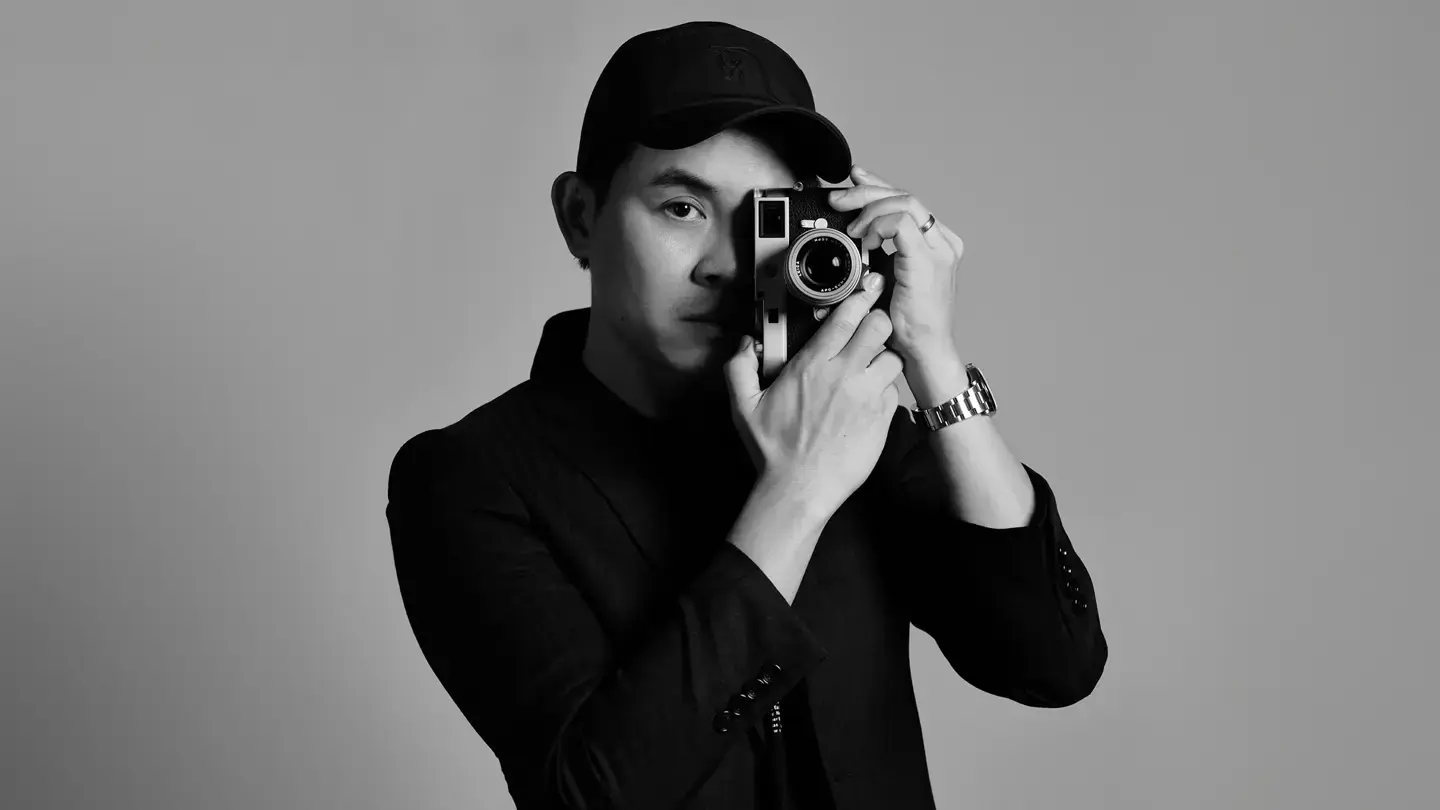
Three resolutions live on the one sensor, 60, 36 and 18 megapixels, each using the full frame, so you can travel light on storage when you want and shoot enormous files when the view demands it. The body charges over USB-C and carries a generous internal buffer, small modern conveniences wrapped in a famously old-fashioned way of working. Pair it with a compact 35mm or 50mm Summicron and the whole kit vanishes into a jacket pocket, a complete full-frame camera that never announces itself.
The rendering is the reward: M-lenses draw with a character, a micro-contrast and a particular way with out-of-focus light, that no autofocus zoom replicates. The silver body wears a brass top plate that will, over years and trips, rub through to a patina that maps where you have been; the black aluminium stays anonymous and shaves off the weight. It is a deliberately demanding camera, and that is the point. For the traveller who believes the making should be part of the journey, the M11 is less a tool than a companion.
What we loved
- Deliberate rangefinder shooting that sharpens your eye
- Compact, near-silent, deeply discreet
- Black aluminium trims weight for long days
Worth noting
- Manual focus only — a learned discipline
- Lenses bought separately
The Value Pick Also tested
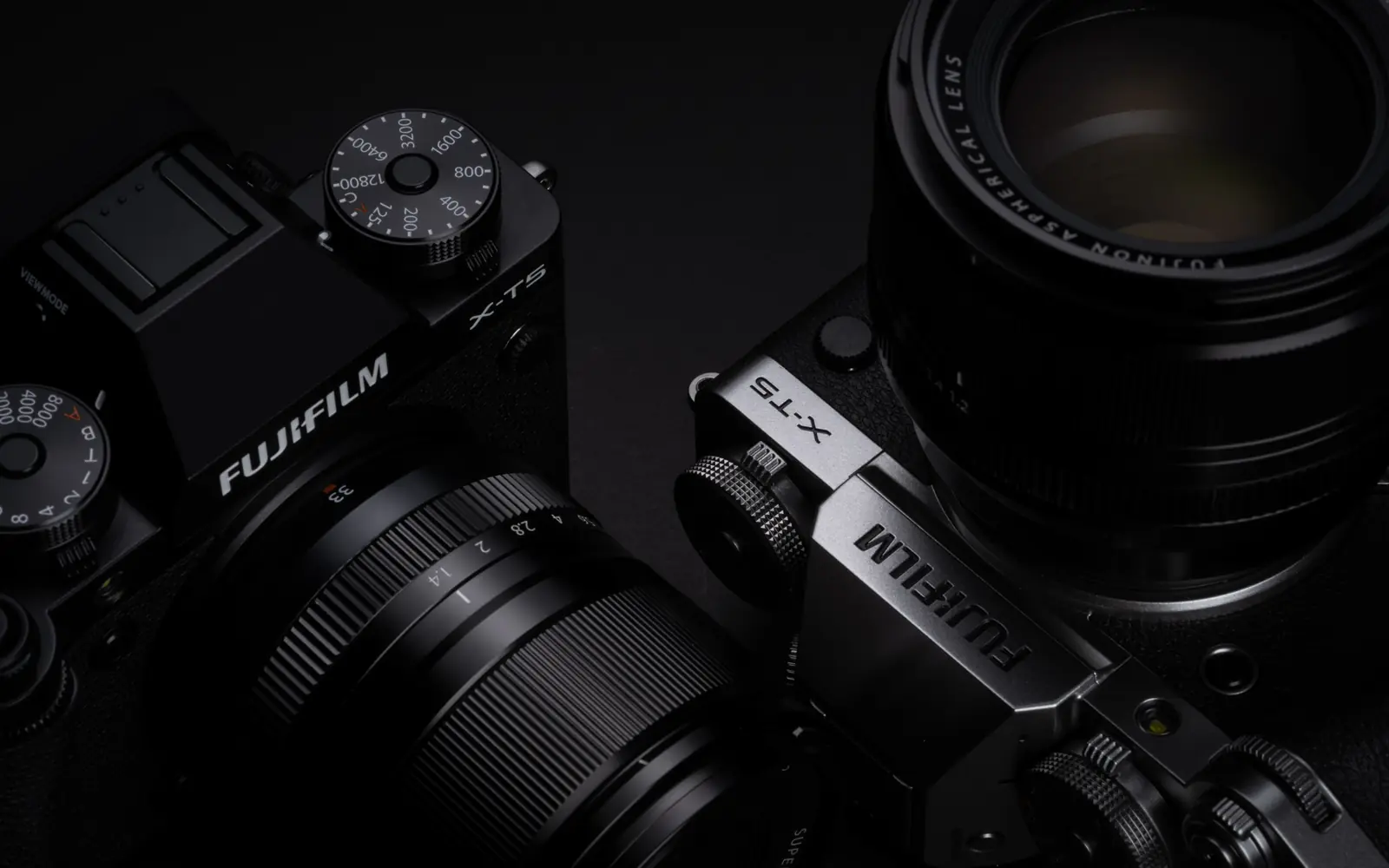
Fujifilm X-T5
$1,699 (body only)40.2MP APS-C X-Trans 5 HR · interchangeable lens · 7-stop IBIS · 557g · weather-sealed · 6.2K/30p
The X-T5 takes the same 40MP sensor and Film Simulations as the X100VI and adds the one thing a fixed-lens camera cannot: choice. At 557g and weather-sealed, in silver or black, it is a light, willing travelling body that pairs naturally with a single small prime for a kit you barely notice. The tactile top-plate dials make it a pleasure to shoot — settings set by hand, eye to the finder.
It is the value pick precisely because it is a system you can grow into: start with one lens, add reach or speed when a trip calls for it. The trade-offs are honest — it is sold body only, so budget for that travel lens, and it is APS-C rather than full-frame — but for versatility per pound, nothing here comes closer.
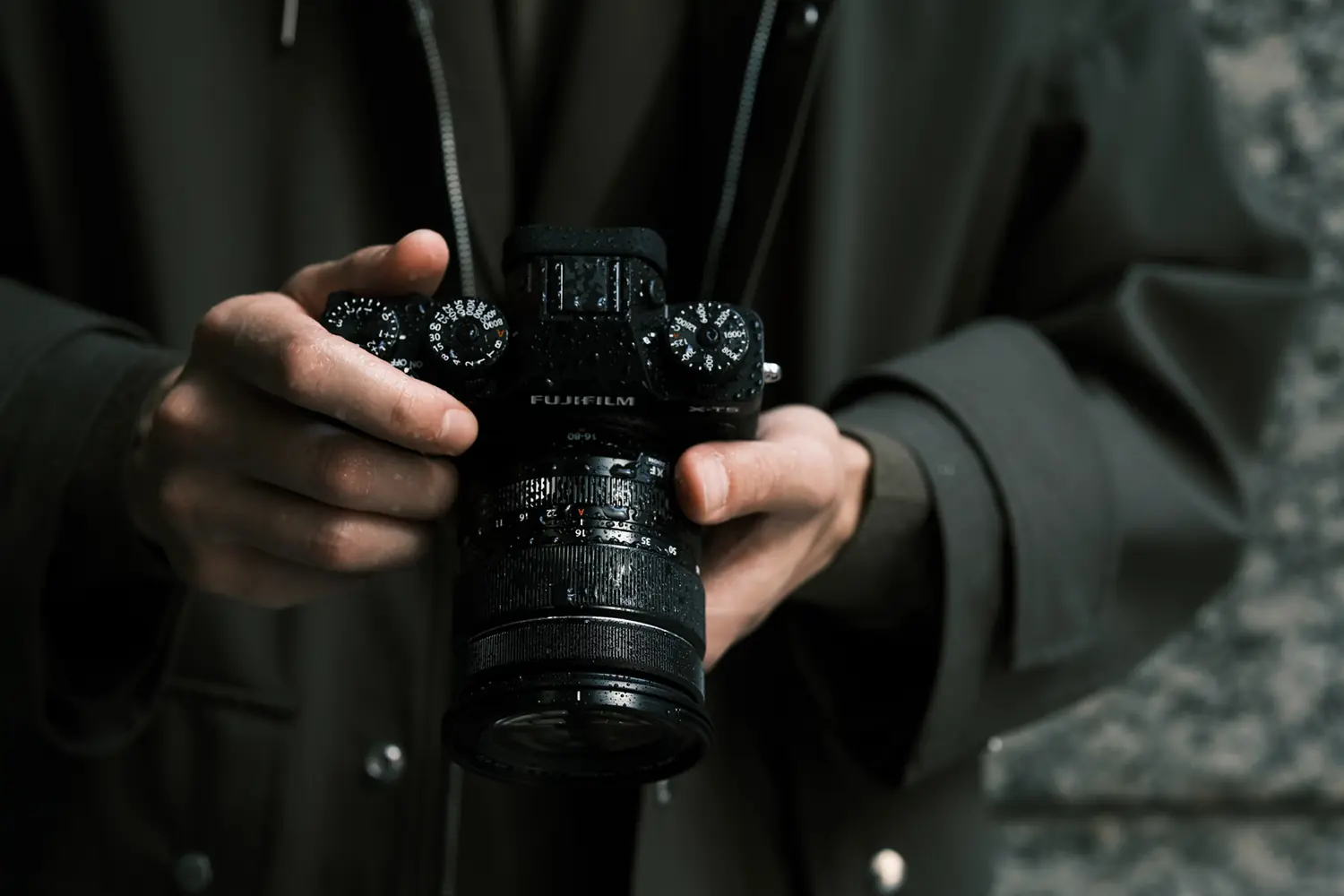
Where the X100VI fixes you to one lens, the X-T5 opens the whole Fujifilm system, a large and largely compact range of primes and zooms, while staying light enough to carry all day. The deep grip and three weather-sealed dials make it feel purposeful in the hand, and the three-way tilting screen handles both waist-level street frames and shots held above a crowd. With a single pancake prime it is a discreet everyday camera; add a small telephoto and it covers a safari or a festival without becoming a burden.
Underneath it shares the X100VI’s strengths, the 40MP sensor, the seven-stop stabilisation and the same celebrated Film Simulations, so the colour comes finished and the files crop hard. The honest trade-offs are that it is sold body-only, so a travel lens is a real cost to plan for, and that APS-C gathers a little less light in the dark than full-frame. But for sheer versatility per pound, and for a traveller who wants room to grow rather than a single fixed view, nothing else here makes a stronger case.
What we loved
- 40MP and Film Simulations in a versatile system
- Weather-sealed, 557g, tactile dials
- Pairs with a small prime for a light kit
Worth noting
- Body only — budget for a travel lens
- APS-C, not full-frame
How we choose
We assess cameras the way you would use them — on the move, over days rather than minutes. Each is judged on how it travels: weight in the hand and in the bag, the feel and finish of the body, how discreetly it works in public, and, most of all, the character of the pictures it makes. Specifications matter only insofar as they change what you can do on the road; a quiet shutter or a finished colour profile often counts for more than a headline number.
We buy or borrow the equipment we write about, and we keep it long enough to form a considered view. Our editorial links may earn the column a commission, but they never shape a verdict or an order of merit — the ranking above reflects what we would carry ourselves, and nothing else.
